Anyone seeing Swedish house prices for the first time is often surprised, and a little sceptical. But the explanation is unremarkable: there are solid reasons.
Reason 1: More houses than buyers
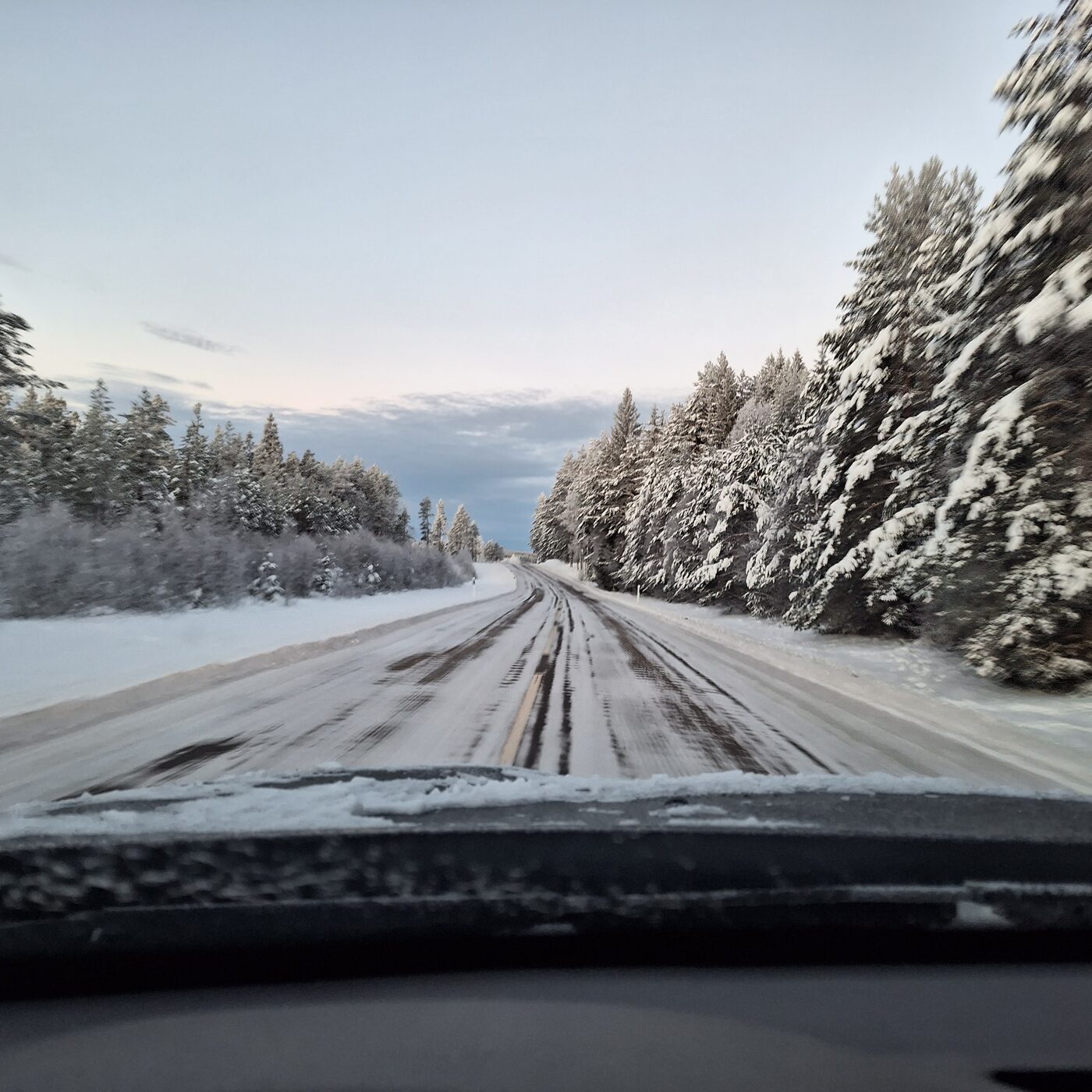
The main reason is plain supply and demand. Many rural municipalities in Sweden have fewer people living in them than they used to. Younger people move to the cities, houses are inherited and stand empty. Where there are more houses on the market than buyers, prices fall. With no catch. The basic rule holds: the more rural and the further north, the cheaper.
Reason 2: The condition
The cheapest properties are simple houses. Many need renovation, and some have been empty for a long time. A house that still needs work costs less than one ready to move into. That is no trick, just ordinary pricing. How much has already been done to a particular house varies from one to the next; at Rabenfels you find that out beforehand, in writing.
Reason 3: A direct sale with no agent fee
When you buy directly from the owner, the agent's commission falls away. In an ordinary sale through an agent, that amount, quickly several thousand euros, is built into the price. With a direct purchase it is not. Rabenfels sells only its own houses, properties that Rabenfels owns. No third-party properties are brokered.
What "cheap" does not mean
Cheap does not mean inferior. It means rural, often simple, often involving work. A cheap house in Sweden is within reach for many families because the price reflects what the house is and where it stands. The one thing that matters is buying with open eyes: knowing the condition, checking the technical side, and budgeting for the running costs.